 +357 22255000
 Nicosia


Understanding Menopause: Why Early Awareness Matters
Menopause is a natural biological transition, yet many women reach perimenopause without recognising the early symptoms or understanding how these changes affect their health. Menopause is not simply the end of periods, it is a shift in ovarian function that influences sleep, mood, metabolism, cardiovascular health, bone density, and cognitive performance. When these symptoms are misunderstood or dismissed, women lose valuable time in addressing issues that can impact long-term wellbeing.
Awareness is critical. Recognising the first signs of perimenopause, irregular cycles, hot flushes, night sweats, anxiety, brain fog, or changes in weight – helps women seek timely guidance and evidence-based care. These symptoms are biological, driven by changes in estrogen and progesterone, and early understanding allows for more effective management. Research shows that women who understand menopause in advance adapt better, feel more in control, and experience fewer disruptions in daily life.
Improving menopause awareness also reduces stigma. Many women still avoid discussing menopause at home or at work, even though the transition affects energy levels, concentration, and emotional balance. Normalising the conversation helps create healthier environments and supports better decision-making for long-term health.
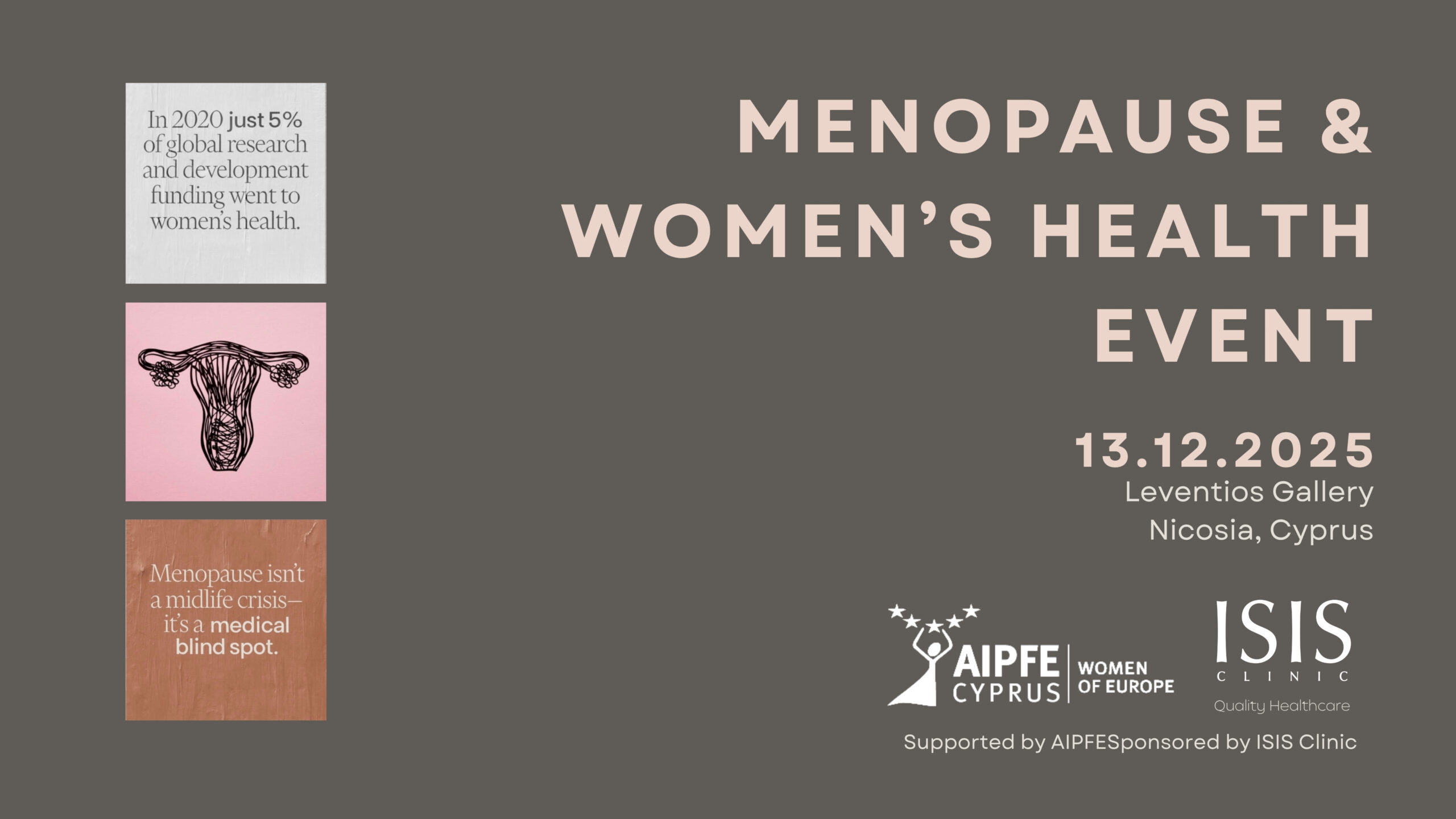
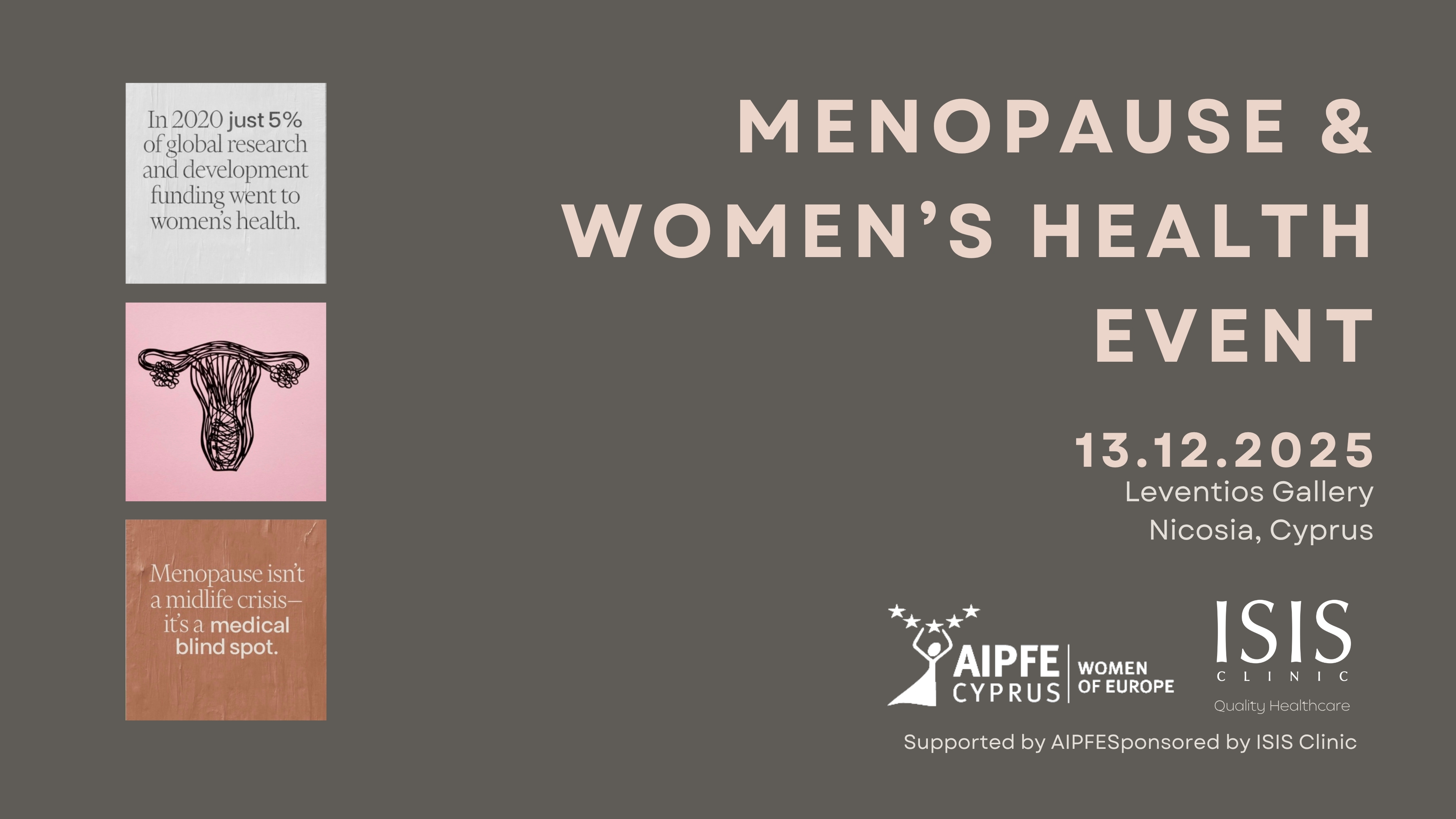
As part of our commitment to women’s health education, ISIS Clinic is hosting the Menopause & Women’s Health Event on 13 December 2025 at the A. G. Leventis Gallery in Nicosia. This full-day programme explores the science of menopause, symptom recognition, nutrition, mental health, workplace wellbeing, and long-term preventive care. We are honoured to welcome Professor Joyce Harper from University College London, alongside Dr Effie Mantrali and leading specialists in menopause management and women’s health.
Understanding menopause empowers women to protect their long-term health with clarity and confidence.
Reserve your place at: isisclinic.com/menopause-event